
Monthly Archives: September 2017

Weighing the Real Costs of “Do it Yourself” Floor Removal

The Real Cost of “Do it Yourself” Floor Removal

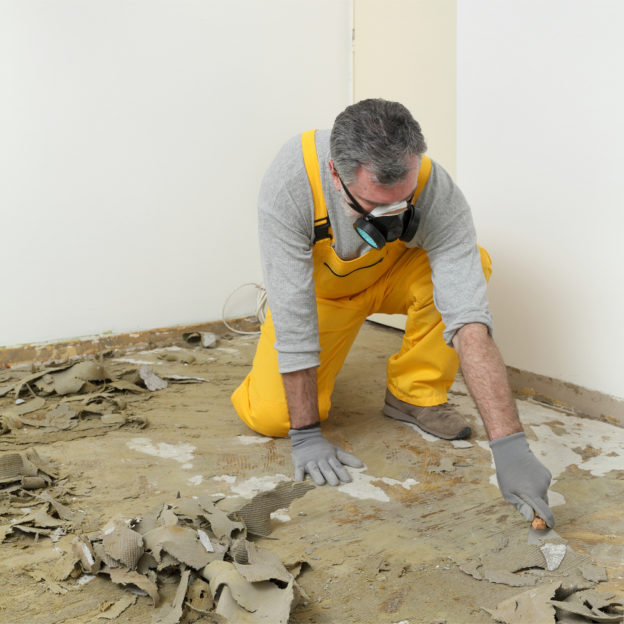
While do it yourself projects may seem like a cheaper way to go about home renovations, often times, homeowners find they’re not. Flooring is an expensive investment. Protecting that investment by choosing professional floor removal services could save you a headache and a financial burden in the future. Before jumping into a do it yourself floor removal home renovation, consider the expense it could cost you first.

The Cost of Equipment with Do it Yourself Floor Removal

Removing flooring yourself, especially tile, can take a multitude of different tools. And, the price of some of these tools can get pretty expensive. To perform do it yourself floor removal, some tools you may need include:

  • Pry bar
  • Circular saw
  • Hammer
  • Sander
  • Angle grinder
  • Floor scraper
  • Chisel

If you’re serious about removing flooring yourself, you have two options. You can either purchase the tools to keep in your collection of equipment. Or, you can find options for renting these tools. Either way, be prepared to spend money in collecting the tools required to removal flooring on your own.  Additionally, consider the cost of other gear you might need besides tools. This includes safety glasses, gloves, dust masks, and boots.

Keep Debris in Mind with Do it Yourself Floor Removal

With do it yourself floor removal, you’re going to have a lot of debris to discard. Your flooring extends the length of the square footage in your home. Especially if you’re removing a large portion of flooring, your garbage service may not pick it up. Usually, the discarding of flooring during the removal process requires the rental of an approved dumpster. Rental prices are commonly determined by how long you need to keep the dumpster on your property. And, if you’re doing the project yourself, that may take a while.

The Cost of Fixing Unforeseeable Mishaps with DIY Floor Removal

It’s understandable that you want to save money by performing your own floor removal. But, there’s a reason why floor removal companies call their employees professionals. It’s possible to come across problems in the floor removal process and, if you’re not a professional, make matters worse. Damaged subflooring or other mishaps could end up costing you a whole new bill. Last but not least, removing flooring can be a dangerous job, especially if you don’t know what you’re doing. And, medical bills don’t come cheap. So, to ensure that your safety and your spendings are on the same page, it’s best to consider professional floor removal.

-How Choosing Professional Floor Removal Services Can SAVE you Money

There are many benefits to choosing a professional service over deciding to go about ripping up flooring yourself. These benefits include:

-Instead of having to rent or buy equipment, we bring the tools to you! We have all the equipment needed to remove any type of flooring. This includes our innovative system which removes tiling with a dust-free method. This saves you the hassle of cleaning mass amounts of dust once the project’s over. And, it means you can start on the installation process sooner.

-Rather than spending the funds to rent a dumpster, we provide debris removal in the estimate of our services. We’ll provide the dumpster and get rid of your old flooring for good. Plus, you can skip the literal burden of hauling of heavy debris from your house to the trash.

-With a professional service like Dustbusters, you can rest easy knowing all aspects of removing your flooring goes as planned. You won’t have to worry about spending extra funds on mishaps, emergency room visits, or other unforeseen events you may encounter attempting it alone.

-Going about removing flooring yourself will undoubtedly take you some time. And, as the saying goes, “time is money”. Rather than spending your precious weekends or taking time from work, we can get your floors removed in as little as one day. This way, you can get your project done faster, and get back to work faster.

Ready to see what a professional floor removal service costs? Call us to get a free, no-obligation estimate at 866-883-8783.

 

Dos and Don’ts of Flood Repair after Hurricane Irma

Dos and Don’ts of Flood Repair after Hurricane Irma

Here in South Florida, it’s no surprise that residents are resilient to all that comes with getting hit by a hurricane. But, with the massive power that was Hurricane Irma, many homeowners have found that their housing just couldn’t handle the massive winds and rains. Fortunately, Florida is a place where all residents understand the heartbreak that comes with these extreme storms. So, after each hurricane, our streets, homes, and lives are quickly rebuilt even stronger than before. If you’re a Florida resident who has been impacted by the giant force of Hurricane Irma, you’re surely ready to get back on your feet and into your home once again. If you’ve experienced roof leaking or heavy rains, you may need some flood repair services to do so. Check out these steps to what homeowners should do after hurricane flooding.

When Conducting Flood Repair Remember that Safety Comes First!

You may be anxious to get out and start removing waste and damage as a result of flooding. But, remember to keep safe as flood waters are not just rainwater. They can contain a number of toxic components like harmful bacteria, chemicals, and even sewage waste. If it’s possible, don’t go out into flood waters at all. But, if you do have to work in flood waters or even after they’ve evaporated, make sure to utilize as much protection as possible. This includes high rubber boots, gloves, and safety glasses. Additionally, be sure to thoroughly clean your entire self immediately after working in flood waters.

Be Prepared to Offer Your Insurance Company Proof of Damage

Undoubtedly, one of the biggest downfalls of flood repair is the financial expense. But, fortunately, South Florida residents are required to invest in homeowners insurance. While not every plan may cover the damage of flooding, it’s a good idea to try to get as much repair covered with insurance as possible. This way, if there are any out of pocket expenses, you’ll be more able to afford them. So, it’s extremely important to document any flood or hurricane wind damage BEFORE you begin the repair process. Take pictures of any damage done after the hurricane to provide to your insurance adjuster so that they can assess the amount owed to you.

Before Flood Repair Clear Out Flood Waters

The longer flood waters stay in a house, the more flood repair there is to be done. Flood water can do all types of damage if it isn’t ventilated fast. It can ruin drywall, insulation, electrical wiring, cabinets, trim, and flooring. Furthermore, the longer water sits, the more potential for health concerns like mold and mildew. So, to prevent even more damage, you should do as much as you can to get water out of the house immediately. To accomplish this, open all windows and doors of the house. And, if you have them, utilize fans and dehumidifiers to help boost the water drying process. However, if the home has a central a.c. unit installed, do not attempt to turn the system on until all water is eliminated and the unit has been checked by a professional. Turning on central a.c. units after flood damage can damage the entire system, not to mention blowing the harmful chemicals that flood waters have created or brought into your home.

Removing Flooring During Flood Repair

Once all of the water is gone from the home, it’s finally time to start on flood repair. More often than not, flooding will damage flooring. Removing this flooring can stir up the harmful chemicals and fungus that flood waters may bring. But, you don’t have to go about it yourself. Let the professionals handle it for you in a safe, quick, and effective way. We’ll even throw the debris for you at no extra cost! Plus, our innovative technology allows us to remove flooring with a dust-free system. This way, you’ll be able to go about your flood repair and new floor installation as soon as we’re done with the job! If you are interested in hiring a professional South Florida floor removal service to deal with some of your flood repair, give Dustbusters a call today at 866-883-8783.


tile dust

Tile Dust Dangers and How to Avoid Them

It’s no surprise that there are a variety of risks that come about during any sort of home renovation project. Still, one major risk of floor projects that most people don’t think about is the release of tile dust into the air. Now, dust is the collection of microscopic remnants of various broken down materials. It can gather everywhere, on or beneath any surface. It can even be formed from the deconstruction of hard materials like tile. For the most part, dust is seen as a harmless but inconvenient thing. However, long-term exposure to tile dust can bring about a number of health issues.

Bacteria and Fungi

Even the most spotless house contains some degree of bacteria and fungi. In fact, the average American household is a breeding ground for an estimated 7,000 types of bacteria and 2,000 variations of fungi— all of which can be found in dust. During renovation projects, any of the bacteria or fungi trapped under the tiles can be released into the air with the tile dust when flooring is removed.

The Chemicals in Tile Dust

Dust is basically just a collection of waste particles. Still, not very many people stop to think about what dangerous things dust can contain— especially tile dust. Any number of chemicals can make up dust particles, and with prolonged exposure, your chances of developing certain health issues begin to increase. This is especially true for tile dust that contains crystalline silica.

The Dangers of Crystalline Silica

Many popular construction materials contain a material called crystalline silica. This is a basic component that makes up most soils, sands, and similar minerals that are compressed and used to create construction and flooring materials. Some of these materials include:

  • Brick
  • Glass
  • Marble
  • Masonry
  • Mortar
  • Quartz
  • Stone

In flooring renovations, the tile is broken apart and removed. During this process, crystalline silica can be ground down to microscopic particles and released into the air as what is essentially tile dust. And with the increased popularity of polished concrete and tile flooring, this release of crystalline silica tile dust during renovations is now more common than ever. So, what exactly is the danger?

According to the Occupational Safety and Health Administration (OSHA), inhaling crystalline silica particles can lead to a variety of health complications. Crystalline silica has been officially classified as a lung carcinogen; this means that constant exposure to this tile dust can cause serious lung problems. Since crystalline silica dust is basically just microscopic shards of tile, they can do a lot of damage when they enter the lungs. This includes, but isn’t limited to:

  • Susceptibility to tuberculosis and other serious lung infections
  • Increased risk of asthma and other respiratory illnesses
  • The formation of interior scar tissue in the lungs
  • Overall reduction of lung function
  • The development of silicosis

While most of these conditions can be treated with medication, silicosis can be fatal and currently has no cure. Thankfully, the chances of contracting any of these health conditions as a result of breathing in tile dust are pretty slim. Furthermore, more common conditions like occupational asthma are temporary and not as hazardous; just unpleasant.

Occupational Asthma

Allergies triggered by normal dust can include nose, throat and eye irritation. However, these symptoms worsen tenfold with long-term exposure to tile dust. In fact, it’s pretty common for inflammation in the nose, throat, and eyes to occur. This has become known as ‘occupational asthma’ and is one of the most common consequences of crystalline silica tile dust inhalation. According to the American Academy of Allergy Asthma and Immunology, occupational asthma affects about 15% of construction workers and do-it-yourselfers.

Avoid Tile Dust with Dustbusters

Tile dust inhalation is something to avoid during any sort of renovation project. If you need your tile, hardwood or even carpet flooring removed, avoiding tile dust is nearly impossible if you take on the project yourself. This is why dustless floor removal is so important. With Dustbusters, you can breathe easy knowing that your project will get done without running the risk of inhaling tile dust. Our team uses state-of-the-art flooring equipment to ensure a safe, quick and dustless floor removal. Call us today at 866-883-8783 for the best floor removal service in Florida.